Corpus Analysis: Radio Plays Comparison
Radio plays are scripted audio dramas created for broadcast, relying entirely on spoken dialogue, sound effects, and music to tell a story. Unlike stage or film productions, radio plays must create setting through voice acting and auditory cues alone, listeners imagine the scenes as they unfold. This makes them especially interesting for corpus analysis because the frequency of names, sounds, narration, and repeated phrases often reflects the storytelling strategies used in audio-only media.
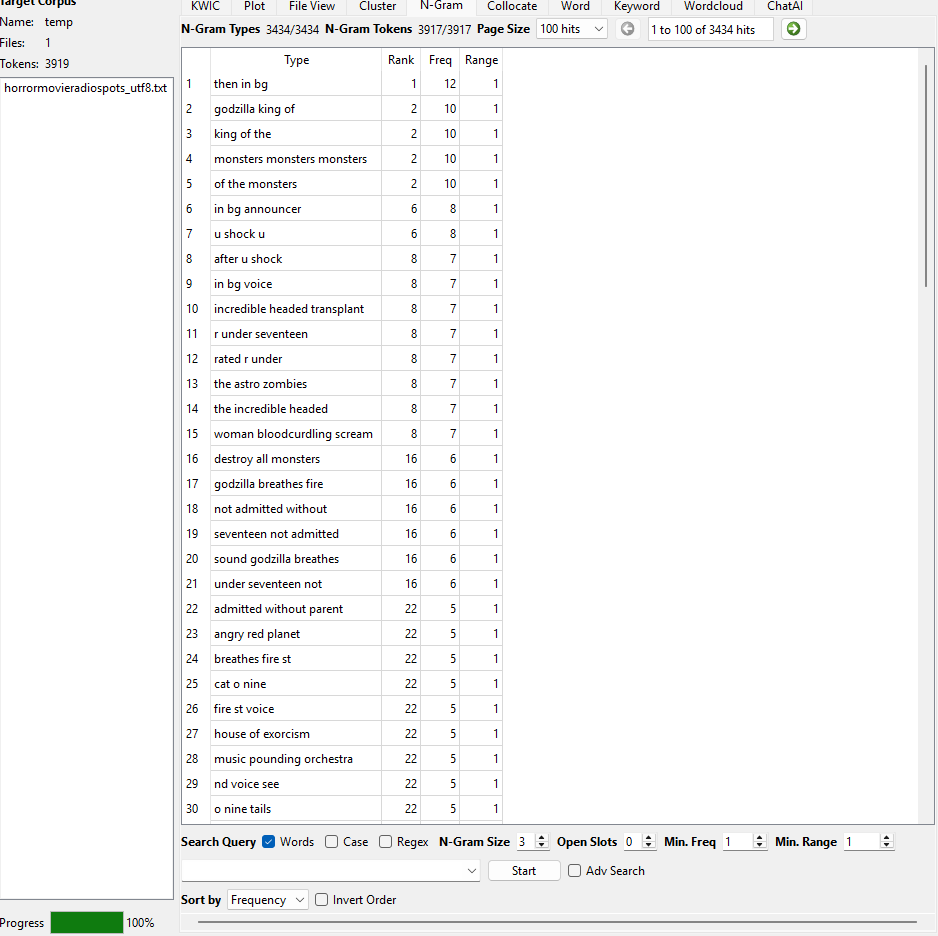
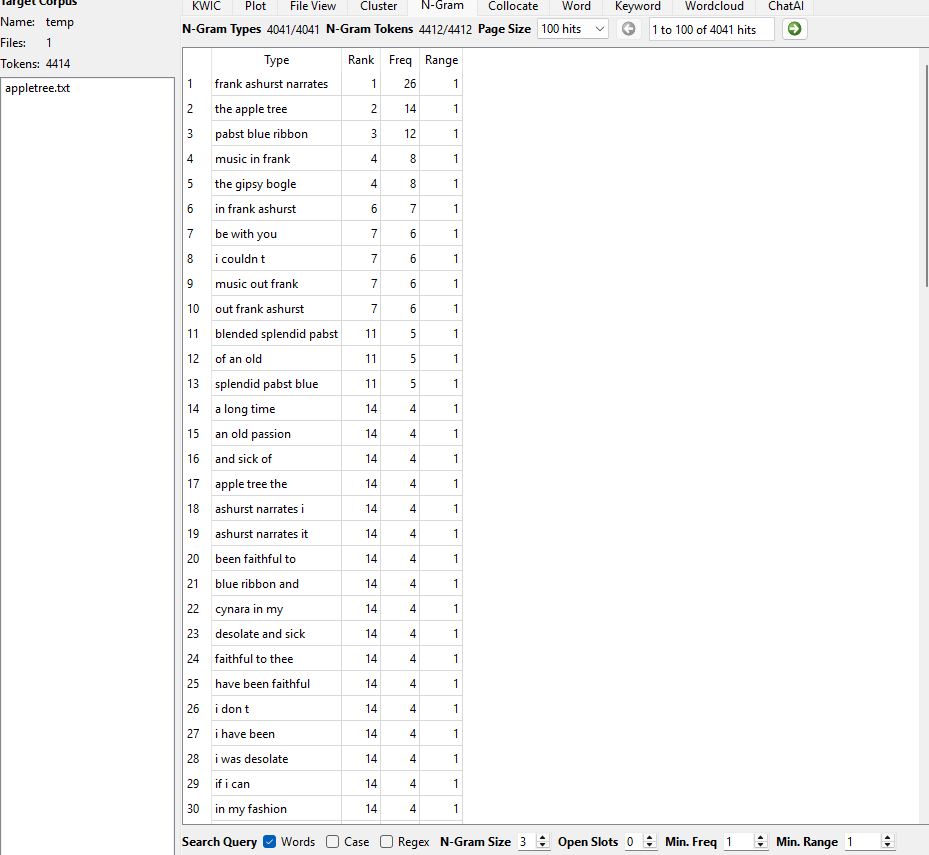
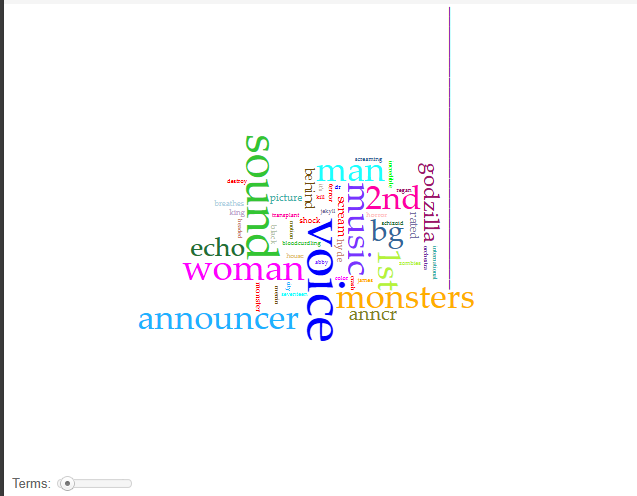
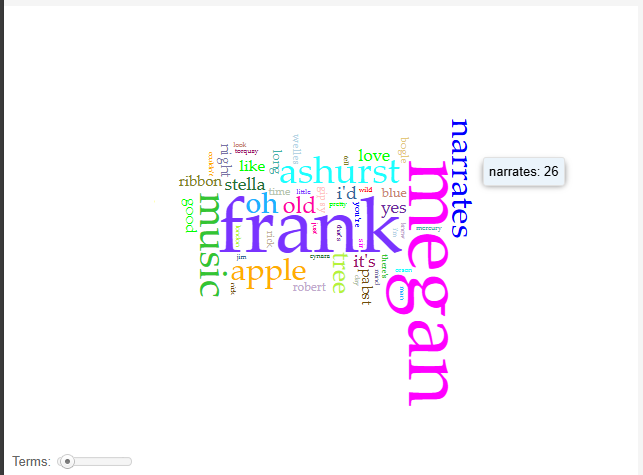
For this corpus assignment, I examined the radio plays “Apple Tree” and “Horror Movie Radio Spots.” In Voyant Tools, I found that the two corpora were extremely different. Apple Tree, which is a drama, repeated names like Frank and Megan, showing how the story focuses on character interactions and emotional narration. In contrast, the horror radio spots repeated sound cues and voice directions, emphasizing atmosphere and timing rather than character descriptions. In AntConc, the 3-gram “frank ashurst narrates” appeared most often in Apple Tree, reinforcing how much of the story is delivered through first-person narration. Meanwhile, “then in bg” was the most frequent in Horror Movie Radio Spots, showing how it relies on background effects and sound-driven storytelling. These differences suggest that narrative dramas rely on description while horror radioplays depend on audio cues and structured timing. Together, the data shows how each genre uses language to guide the listener's experience in completely different ways.
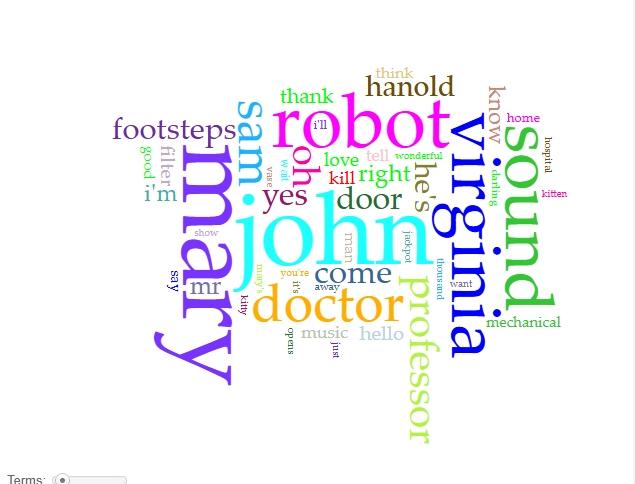
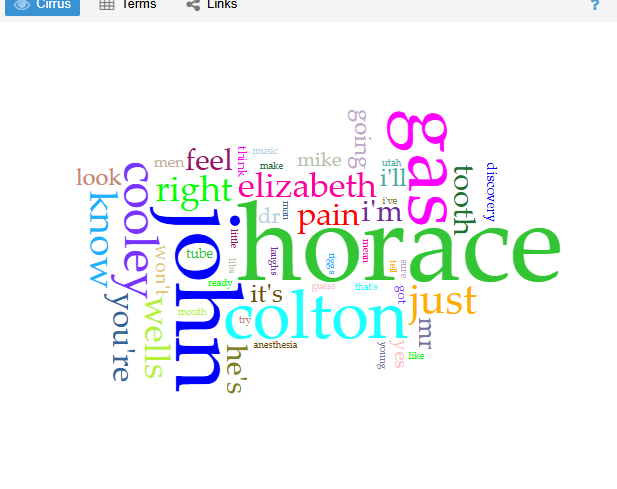
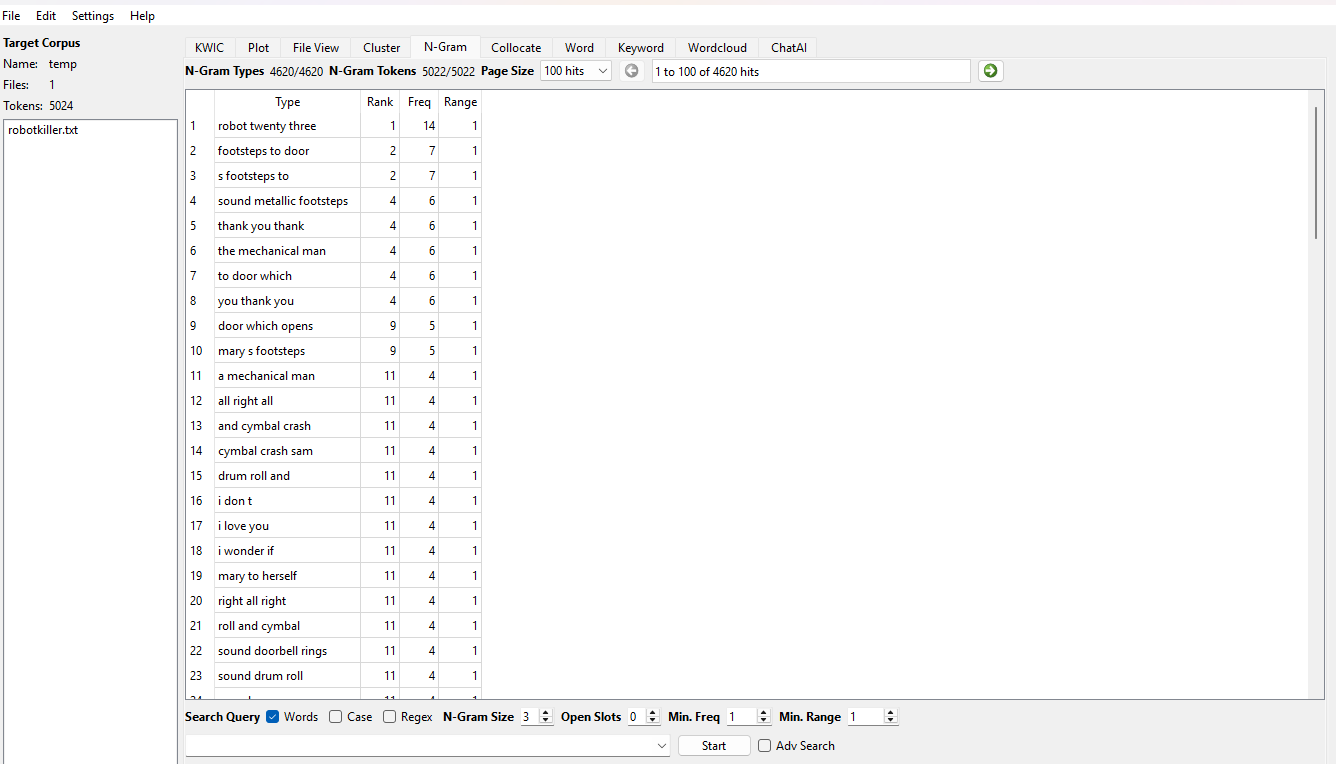
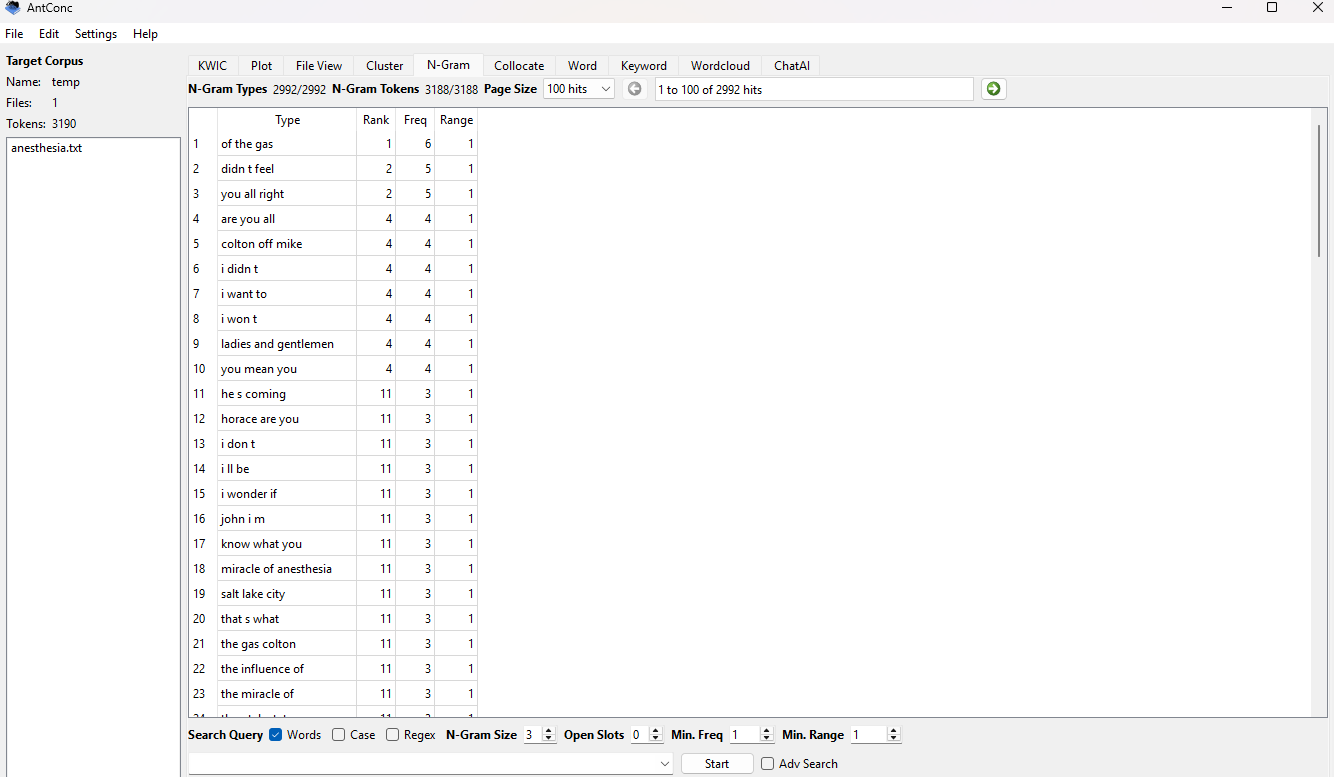
For this corpus assignment, I examined the radio plays Robot Killer and Anesthesia. In Voyant Tools, I found clear stylistic differences between the two texts. Robot Killer repeated character names such as John and Mary, which reflects its suspenseful structure driven by dialogue between frightened characters. In contrast, the drama Anesthesia repeated words like “Horace” and “John,” but these repetitions appeared in a more descriptive context. The AntConc results highlight this contrast. The 3-gram “robot twenty three” appeared most often in Robot Killer, tying directly to the plot’s central threat. Meanwhile, “of the gas” was the most frequent in Anesthesia, reflecting the script’s focus on medical procedures. These results show that horror relies on repeated plot-specific phrases to build tension, while dramatic historical storytelling relies on repeated technical language to provide information. This demonstrates how each play uses repetition to create different dramatic effects for the listener.
You can view the original text files used in this corpus analysis here:
https://github.com/tara1224/Digit110